


When you look at the Grimentz-Zinal resort map, you see two distinct mountains linked by a spectacular cable car. This connection offers incredible vertical and varied terrain, but it also means that effective time management is key to maximizing your ski time.
If you approach this mountain without a strategy, you risk spending valuable hours waiting or traveling instead of focusing on technical progression and enjoying the best snow conditions.
Successful planning your day at Grimentz-Zinal isn’t just about hitting the slopes; it’s about creating a structured flow that aligns with the mountain’s natural progression and your personal goals, whether you are a family seeking gentle slopes or a professional looking for challenging off-piste lines. We treat your mountain time as a high-performance consultation, ensuring every run contributes to your improvement.
Content
Understanding the terrain: Grimentz vs. Zinal
The Val d’Anniviers ski area offers a truly unique dual experience. Grimentz and Zinal are geographically and atmospherically different, and knowing how to use those differences is the first step in smart daily planning.
The Grimentz side: progression and sunshine
The Grimentz sector generally faces east and south, meaning it catches the morning sun beautifully. This side is often the best place to start your day, especially if you are working on foundational technique or skiing with younger children.
The central area around the Grand-Zinal lift and the runs leading back to the village offer excellent, wide blue and red slopes. These are ideal for building confidence, practicing carving arcs, and focusing on consistent edge engagement without the pressure of extreme steeps.
If you are refining your parallel turn or working on maintaining speed through varied pitch, this is where you want to spend the first hour or two.
The key run on this side is the long descent back to the village (Piste de Lona). It’s a wonderful mileage builder, but it can get heavy later in the day due to sun exposure. Plan to hit this descent before lunchtime for the best snow quality.
The Zinal side: altitude and high-performance challenge
The Zinal sector, particularly the runs accessed from the Rothorn and Espace Weisshorn, sits significantly higher and offers more northerly aspects. This is where the technical challenge truly ramps up. The altitude (peaking near 3,000 meters) means the snow stays cold and dry longer, making it perfect for advanced technique work.
For high-performance skiers, Zinal is the main attraction. The designated black runs are steep and sustained, demanding precise vertical separation and strong pressure management.
Furthermore, the accessible off-piste areas from the Rothorn lift are world-class, but they require careful planning, avalanche awareness, and specific technical skills to handle the exposure and variable conditions.
When considering your Grimentz-Zinal itinerary, view Zinal as your technical workshop—the place where elite training happens, especially after the snow has softened slightly on the sunnier Grimentz side.
The high-performance schedule: timing your mountain flow
A well-structured day minimizes lift lines and maximizes optimal snow conditions. Because the two resorts are connected by the cable car over the valley, timing the transitions is critical.
Morning strategy: catching the best snow
Your morning goal should be to ski the best available snow while your legs are fresh.
- Early start (8:30 am – 10:30 am): If you are staying in Grimentz, start there. Focus on the freshly groomed red slopes (like the ones off Grand-Zinal) to work on consistent rhythm and speed control. If you are staying in Zinal, head straight up to the high slopes (like Sorebois) to benefit from the cold, crisp corduroy.
- Technical warm-up: We often use the first hour for dynamic warm-ups and reviewing the technical focus of the day. This might involve short, sharp drills on a gentle blue slope to ensure your stance is centered before attempting steeper terrain.
- Altitude adjustment: If you plan to ski the Rothorn (Zinal) later, spend this early period gradually increasing your altitude. This helps your body adjust and ensures peak performance when tackling the most challenging runs.
Midday flow: connecting the valleys (the Sorebois link)
The connection point between the two resorts is the Sorebois cable car station. This link can be a bottleneck during peak hours (10:30 am to 1:00 pm). Smart planning means avoiding this rush.
If you start in Grimentz, aim to cross over to Zinal either before 10:30 am or hold off until after 1:00 pm. If you cross early, you get to enjoy the Rothorn area before the crowds arrive. If you cross later, you can maximize your time on the Grimentz slopes and have lunch there before heading over.
Afternoon technique focus
The afternoon is often when fatigue sets in, which is actually the perfect time to test the robustness of your technique. If you can maintain proper form when tired, you know the movements are becoming automatic.
- Grimentz afternoon: Use the wide, slightly softer slopes to work on dynamic carving and absorption. The softer snow requires quicker reactions and precise pressure release.
- Zinal afternoon: If the Rothorn area remains quiet and the snow holds up, use this time for deliberate practice on specific technical issues, such as pole planting timing or managing speed on variable off-piste terrain.
As the day wraps up, make sure you are on the side of the mountain where you parked or are staying. The last Sorebois cable car can be very busy, so give yourself a buffer of at least 30 minutes before the lift closing time.
Tailored itineraries for different skill levels
The true value of Val d’Anniviers ski planning comes from tailoring the day to the individual or group. Grimentz-Zinal offers something for everyone, but putting a beginner on a Zinal black run or an advanced skier on the Grimentz nursery slopes wastes time and energy.
Planning for families and beginners (safe progression zones)
For those new to skiing or families with young children, the goal is safety, confidence, and fun, all while building solid technical foundations.
The best location for beginners is the area immediately above Grimentz, around the small drag lifts (like Tsarva) and the lower sections of the Grand-Zinal area. These zones are generally less exposed and have predictable, gentle gradients.
- Morning focus: Mastering the wedge turn (pizza) and introducing parallel steering on the gentlest slopes. We emphasize feeling the edges and controlling speed through natural body position, not just muscular effort.
- Progression step: Once comfortable, move to the Lona area (Grimentz) for longer, wide blue runs. This allows the beginner to practice linking turns and managing slightly increased speed.
- Avoid: Avoid the main Sorebois cable car crossing until the skier is confident linking turns on blue terrain. The transition can be intimidating.
Itineraries for intermediate skiers (mileage and confidence building)
Intermediate skiers—those who can link turns comfortably on blue and red runs but struggle with steepness, moguls, or variable snow—benefit most from volume and targeted technical drills.
- Morning strategy: Start in Grimentz, focusing on the red runs to practice consistent carve shape. We often use drills here to isolate the outside ski pressure and practice releasing the edge cleanly.
- Midday transition: Cross to Zinal around 11:00 am. Immediately head to the lower red runs below Sorebois. These runs are excellent for introducing steeper pitch and practicing speed control using short-radius turns.
- Afternoon challenge: If snow conditions are favorable, introduce the skier to small, groomed bumps or slightly off-piste areas adjacent to the groomed runs. This builds versatility and confidence in managing uneven terrain without committing to a full black run.
Advanced and off-piste planning (leveraging the expert terrain)
For advanced skiers and professionals, Grimentz-Zinal is a playground. Our high-performance consultation focuses on maximizing the vertical drop and utilizing the resort’s natural features.
- The Rothorn priority: Start the day by ascending the Rothorn (Zinal). The high-altitude terrain here is perfect for assessing snow stability and finding fresh lines. We focus on technical precision required for steep, deep, or variable snow—specifically, maintaining dynamic balance and managing pressure changes through rapid terrain shifts.
- Freeride zones: The areas accessible from the lifts (known as “itineraries” or marked off-piste zones) require careful route planning. We often spend time analyzing the slope angle and aspect to find the best quality snow, focusing on linking turns in challenging environments where speed management is paramount.
- Technical focus: For advanced skiers, the training shifts from ‘how’ to turn to ‘why’ a turn is shaped a certain way. We work on optimizing angles, reducing wasted movement, and increasing efficiency, especially in big mountain skiing.
Altitude, safety, and technical considerations
Grimentz-Zinal is a high mountain resort. The highest lifts reach nearly 3,000 meters. Proper planning must include safety and awareness of the environment, which directly impacts technical performance.
Managing the mountain environment
High altitude affects physical performance. Even experienced skiers can feel the strain, leading to technical breakdowns (e.g., skiing too far back on the tails of the skis when fatigued).
- Hydration and breaks: Plan frequent, short breaks. Use the ride up the long cable cars (like Sorebois) to rest and visualize the next run.
- Weather awareness: Because of the altitude, visibility can change rapidly. Always check the local forecast and lift status before setting out, especially if you plan to cross between Grimentz and Zinal. Poor visibility requires slowing down, widening your stance slightly, and focusing on feeling the snow texture through your feet.
Elite technical training zones in the Val d’Anniviers
We use specific areas of the mountain for targeted, elite technical training. These zones are selected because they offer consistent pitch and texture, allowing for repetitive practice necessary to cement new skills.
- The steeps (Zinal Rothorn): Ideal for practicing short-radius turns and managing high edge angles. We use these slopes to refine the unweighting phase and ensure rapid edge change.
- The cruising Reds (Grimentz Lona): Excellent for high-speed carving. We focus on achieving maximum lateral displacement and maintaining consistent pressure throughout the turn, preparing the skier for high-speed European conditions.
- The bumps and Trees (Various): Used to train adaptability. Bumps require strong fore/aft balance and rapid absorption, while tree skiing (when conditions allow) demands quick decision-making and precise footwork.
Integrating these specific zones into your day ensures that your learning is structured, deliberate, and targeted toward high-performance goals.
Why personalized instruction transforms your Grimentz-Zinal itinerary
You can read all the guides in the world, but the mountain always presents variables that generic advice cannot cover: unexpected snow conditions, changing light, or personal fatigue. This is where high-end private instruction becomes invaluable.
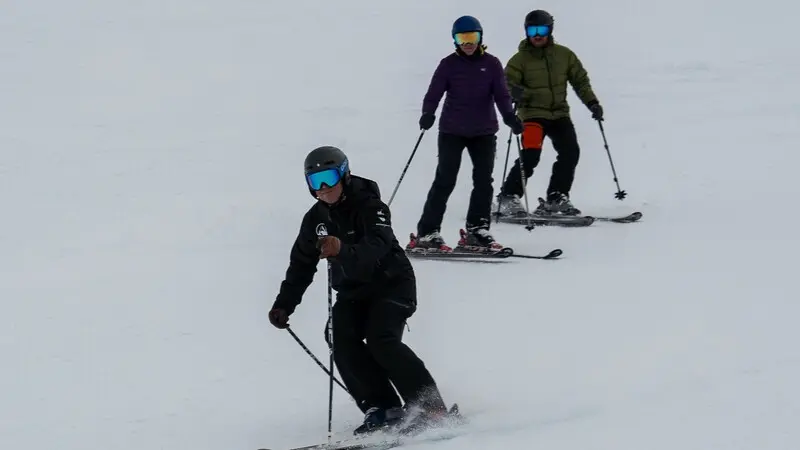
When you work with us, planning your day at Grimentz-Zinal goes beyond reading a map. We act as your performance consultants, designing a bespoke itinerary that adapts in real-time.
For instance, if we notice you are struggling with rotary movements on icy morning conditions, we don’t just tell you to “lean forward.” Instead, we immediately adjust the itinerary, move to a specific, less-icy slope, and introduce a drill focused on hip rotation and ankle flex to achieve better pressure distribution. We capture video analysis right on the slope, providing immediate, actionable feedback that accelerates the learning curve.
This personalized approach means:
- Optimal route selection: We know the hidden gems—the slopes that hold the best snow and avoid the crowds—ensuring you spend more time skiing and less time waiting.
- Technical efficiency: Every run is analyzed to ensure you are maximizing vertical separation, managing edge angles correctly, and skiing efficiently, which is especially important in a large, challenging resort like Grimentz-Zinal.
- Safety and confidence: Especially in the off-piste terrain that Grimentz-Zinal is famous for, having an expert guide ensures safety protocols are followed while pushing your boundaries in a controlled environment.
Whether you are a family needing seamless transitions and patience or a professional skier demanding elite technical refinement, the day is built around your specific needs and the mountain’s current conditions. We turn a ski trip into a structured, high-yield progression experience.
If you are serious about transforming your skiing experience and want to unlock the full potential of this incredible Val d’Anniviers resort, strategic planning and personalized guidance are the keys. We are here to help you move past conventional skiing and elevate your performance on the snow.
The next step is simple: Let’s talk about your goals and how we can design the perfect Grimentz-Zinal itinerary for you or your family.
Ready to experience high-performance ski instruction tailored precisely to the terrain of the Val d’Anniviers? We look forward to creating your personalized mountain plan.
Request any of our ski services, whether it be a private or group lesson.