


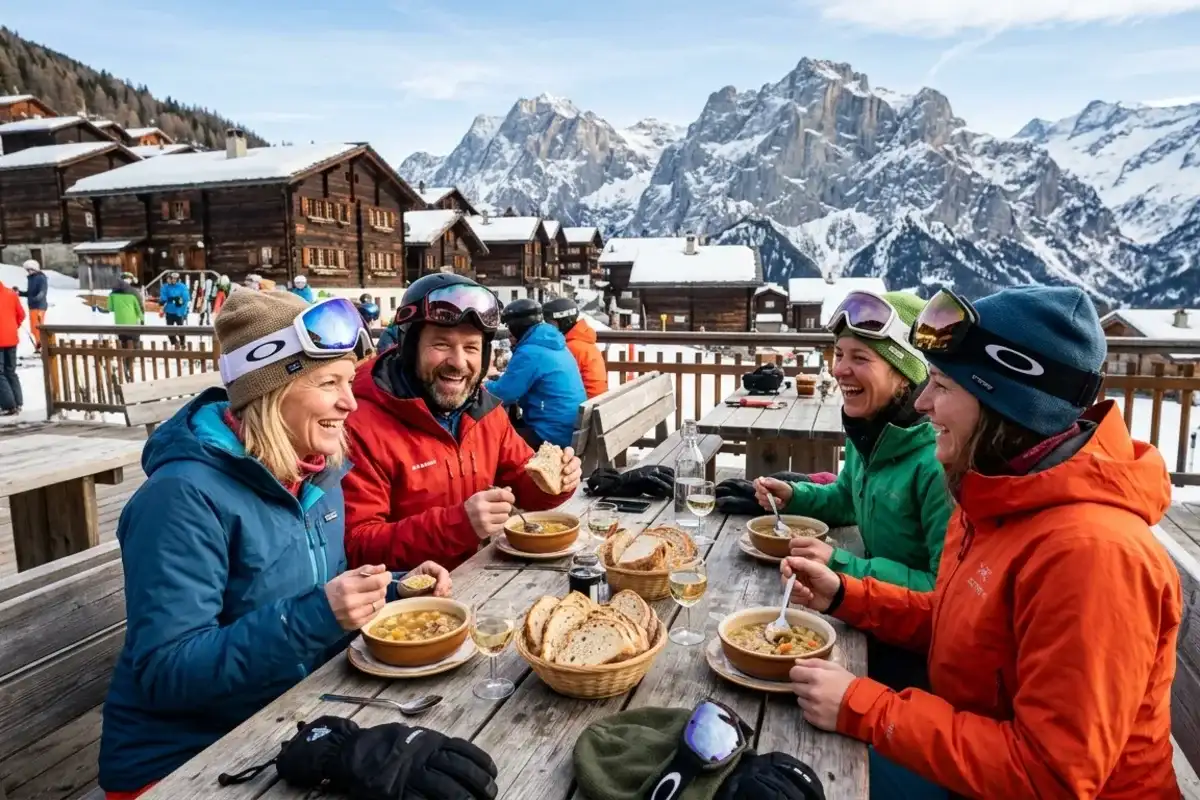
A perfect ski day is a symphony of moving parts. It’s the crisp morning air, the sound of edges carving into fresh corduroy, and the breathtaking panorama of the Valais Alps. But just as important as the conditions under your skis is the fuel in your body. The midday meal isn’t just a break; it’s a strategic component of a high-performance day on the mountain.
In Grimentz-Zinal, a resort known for its demanding terrain and authentic charm, choosing where to eat is as much a part of the experience as picking your first line of the day. It’s about more than just food; it’s about atmosphere, location, and how that break prepares you for an afternoon of technical challenges and pure enjoyment.
Many skiers fall into the trap of seeing lunch as an interruption. They grab a quick, often unsatisfying, meal at the nearest self-service cafeteria, eager to get back on the slopes. While the enthusiasm is understandable, this approach often leads to an afternoon slump.
The right meal, in the right environment, can reset your body and mind, replenish energy stores with quality nutrients, and allow you the mental space to process the morning’s skiing and plan for the afternoon. It transforms a simple pause into a performance-enhancing ritual.
This guide is designed for skiers who understand this distinction—those who seek not just sustenance but an experience that complements and elevates their time on the snow. We’ll analyze the different on-piste dining options, from traditional mountain huts to more refined culinary destinations, and connect them to the rhythm of a progressive ski day.
Content
The anatomy of a perfect ski lunch
What constitutes the ideal midday meal on the slopes? The answer is nuanced and depends heavily on your goals for the day. Are you in the middle of an intensive technical session, working on refining your carving technique on the Chamois piste?
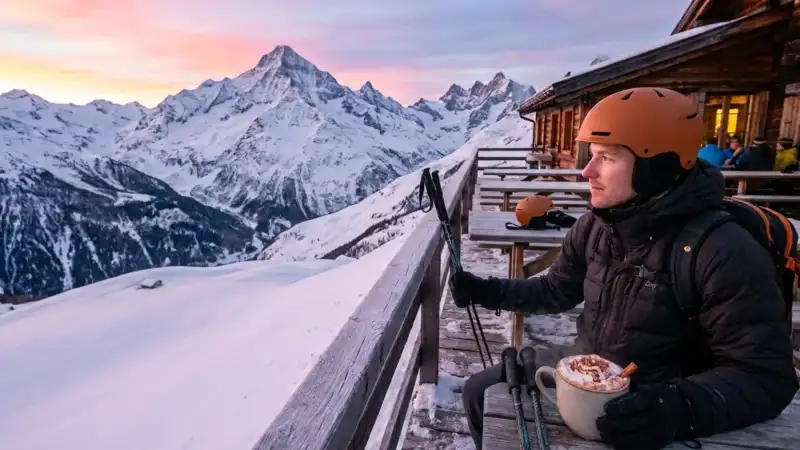
Or are you enjoying a more relaxed family day, exploring the blue runs around the Orzival area? The “perfect” lunch adapts to your physical output and mental focus. It’s a balance of timing, nutrition, and environment.
Timing is everything: When to break
The classic 1:00 PM lunch rush is something many of us are familiar with. It often means long lines, crowded terraces, and a frantic atmosphere—hardly the restorative break a performance-oriented skier needs. A more strategic approach involves timing your break to avoid the peak crowds and align with your body’s energy cycle.
An early lunch, around 11:45 AM, allows you to refuel before you feel a significant energy dip and gets you back onto beautifully quiet slopes while everyone else is still ordering. A later lunch, after 2:00 PM, has a similar effect, offering a peaceful dining experience as the mountain begins to empty. Consider your morning’s intensity.
If you’ve been practicing short-radius turns on the steep pitches of the Lona 2, your glycogen stores will be depleting faster. In this case, an earlier, more substantial break is advisable. If your morning was spent on more moderate terrain, you might push your lunch later and keep it lighter.
Nutrition for afternoon performance
The food you choose has a direct impact on your afternoon skiing. A heavy, fat-laden meal like a cheese fondue, while delicious and quintessentially Swiss, can leave you feeling lethargic and slow. Your body diverts significant energy to digestion, leaving less for your leg muscles.
This is the classic “post-lunch slump” that can turn precise, dynamic turns into sloppy, defensive skids. For a productive afternoon, aim for a balanced meal. Complex carbohydrates (like those in whole-grain bread, potatoes, or polenta) provide sustained energy release. Lean proteins (from grilled chicken, lean meats, or lentils) aid in muscle repair and satiety.
Don’t forget hydration. Water is non-negotiable, but a hot tea or bouillon can also be an excellent choice. Alcohol, particularly in excess, impairs coordination, slows reaction time, and dehydrates you—all detrimental to performance and safety. A single glass of local Fendant wine can be a wonderful part of the experience, but moderation is the guiding principle for any skier looking to maintain their edge.
Atmosphere and recovery
The environment of your lunch spot is just as important as the menu. A loud, chaotic self-service restaurant can be stressful, preventing the mental relaxation that is so crucial for recovery.
A quieter, more comfortable setting allows your mind to rest. It’s an opportunity to mentally review your morning. What felt good? Which part of your technique needs adjustment? Maybe you were working on maintaining a better stance through variable snow. The lunch break is the perfect time to process those feelings and set a clear intention for the afternoon.
A restaurant with a stunning view of the Becs de Bosson or the Matterhorn in the distance provides a natural focal point for this reflection, connecting you back to the magnificent environment you’re in. This mental reset is a powerful tool.
It helps you transition from the physical exertion of the morning to a focused, intentional afternoon, preventing the mental fatigue that often leads to technical errors.
Mapping your meal: Restaurant profiles across Grimentz-Zinal
The Grimentz-Zinal ski area, connected by the impressive cable car, offers a diverse range of mountain dining experiences. Each has its own character, menu, and strategic advantage depending on your location and ski plan.
Let’s look at some of the standout options and how they fit into a day of purposeful skiing. Understanding the terrain around each restaurant is part of the planning process.
High-altitude havens in the Zinal sector
The Zinal side of the mountain, known for its high-altitude terrain and excellent freeride opportunities, also hosts some remarkable dining spots. These are places where the views are as compelling as the food. The Restaurant de Sorebois, located at the top of the main gondola from Zinal, is a central hub. Its large terrace offers panoramic views, and its menu has something for everyone.
It’s a convenient and reliable choice, but its size means it can get very busy. For a more specialized experience, one might seek out the Buvette de la Combe. Tucked away near the bottom of the Combe Durand chairlift, this spot has a more rustic, intimate feel. It’s an ideal stop after a morning spent lapping the challenging red and black pistes in the area.
Its location means it’s slightly off the main thoroughfare, often resulting in a calmer atmosphere. The menu typically features hearty, traditional Valaisan dishes that are perfect for refueling after a demanding session. A skier working on off-piste skills in the famous Gardes de Bordon area could plan a route that finishes at La Combe for a well-earned, restorative meal before heading back towards the Grimentz link.
Authentic charm on the Grimentz slopes
The Grimentz sector is characterized by its charming, traditional feel, and its mountain restaurants reflect this. The Bendolla restaurant complex at the top of the Grimentz gondola is the main hub, similar to Sorebois. However, for those seeking a more memorable experience, it’s worth exploring further.
The Restaurant Espace Weisshorn, at the very top of the Grands Plans chairlift, offers arguably one of the most spectacular 360-degree views in the region. The modern architecture is a striking contrast to the rugged peaks surrounding it. This is a place to go for a special occasion or when you want the setting to be as impressive as the skiing.
A lighter lunch here, perhaps a gourmet soup and local bread, can feel incredibly decadent while still being performance-friendly. For those who prefer a more traditional mountain hut, the Buvette de Lona is a fantastic choice. Accessible from the top of the Lona 1 chairlift, it’s a cozy refuge that feels a world away from the main resort hubs.
It’s perfectly positioned for a break after skiing the long, rolling pistes that descend from the Orzival area. Its secluded feel makes it an excellent spot for a quiet, focused break to discuss technique before tackling the steeper terrain below.
Finding the best on-piste lunch Grimentz has to offer
The question of the “best” is, of course, subjective. It depends entirely on your criteria for the day. Are you looking for culinary excellence, convenience, an authentic atmosphere, or the most strategic location for your training plan? If your goal is a truly exceptional culinary experience, you might prioritize a place known for its specific dishes, like the wood-fired pizzas at Marenda or the refined regional cuisine at a higher-end establishment.
If your focus is purely on performance, the “best” lunch might be a simple but high-quality plate of pasta or a hearty salad at the quietest spot you can find, timed perfectly to avoid the crowds. A family with young children will have different needs, prioritizing easy access and a kid-friendly menu.
We encourage skiers to think of their lunch choice as a tactical decision. Before you even click into your bindings in the morning, have a rough plan. “We’ll work on drills on the Tsarva run until 11:30, then ski down to have an early lunch at [Restaurant X] to refuel for an afternoon exploring the terrain off the Tzarmettaz lift.”
This level of planning, which our instructors integrate into every session, removes decision fatigue during the day and ensures every element, including your break, contributes to your goals.
Integrating dining into a high-performance ski day
A day on the mountain with a dedicated instructor is about more than just a few tips on a chairlift. It’s a holistic approach to improving your skiing. It involves understanding the terrain, managing your energy, and using every part of the day to reinforce new skills.
The lunch break is a critical, and often overlooked, part of this process. It’s where theory and practice converge and where the mental game of skiing is played.
The pre-lunch technical session
The morning is typically when energy levels are highest and the snow is in its best condition. This is the ideal time for focused, intensive work. For an intermediate skier, this could mean targeted exercises on the blue pistes of Grimentz, focusing on edge control and balance.
For an advanced skier, it might involve tackling the moguls on the Col des Becs or making tactical descents on the ungroomed itineraries. The instructor sets the plan, provides real-time feedback, and pushes the skier to their appropriate limit. The goal is to arrive at the lunch spot having made tangible progress, feeling physically exerted but mentally stimulated.
The choice of restaurant is often made with the morning’s location in mind, minimizing travel time and maximizing ski time. For example, a session focused on the varied terrain around the Lona lifts naturally leads to a break at the Buvette de Lona, creating a seamless and efficient daily plan.
Lunch as a tactical debrief
Once seated, the lunch break becomes a one-on-one coaching consultation. This is where video analysis often comes into play. While enjoying a well-deserved meal, you can review footage from the morning’s session on a smartphone or tablet.
Seeing your own skiing is an incredibly powerful learning tool. An instructor can pause the video at a key moment and say, “See here? Notice how your inside hand drops back? That’s what’s causing your upper body to rotate and your outside ski to lose pressure.” Suddenly, the abstract feeling you had on the snow becomes a clear, visual concept.
This debrief is a conversation. We discuss what worked and what was challenging and set clear, achievable goals for the afternoon. Perhaps the goal is to focus solely on keeping the hands forward for the next two runs. This turns the lunch break from a passive pause into an active, strategic planning session, ensuring the afternoon is just as productive as the morning.
Post-lunch: Applying the theory
The first few runs after lunch are crucial. With a full stomach and a clear mental picture from the video analysis, the focus is on implementation. The body is refueled, and the mind is primed with specific instructions. The terrain choice for the afternoon is deliberate. We might return to a similar piste from the morning to directly compare the “before” and “after” feeling, reinforcing the positive changes.
Or, we might move to a new type of terrain to see how the improved technique holds up under different conditions. This structured approach prevents the common post-lunch dip in performance. Instead of just “skiing around,” you are skiing with purpose.
The break has served its function perfectly: it has physically and mentally prepared you to elevate your performance for the remainder of the day. This is the philosophy that guides our approach at Bespoke Snowsport, where every detail of your day is considered to help you achieve your skiing ambitions.
Beyond the plate: A comparison of mountain dining styles
Grimentz-Zinal offers a spectrum of dining options, each catering to different preferences and priorities. Understanding this landscape helps you make informed choices that align with your personal ski philosophy. From quick and efficient to leisurely and luxurious, there’s a style for every skier.
The traditional Buvette/Cabane
These are the heart and soul of Swiss mountain culture. Often small, family-run, and built from traditional wood and stone, places like the Buvette de Lona or Cabane de la Tsa offer an authentic, cozy atmosphere. They are typically found in more remote corners of the ski area, rewarding those who venture off the main arteries.
The menus are usually simple, focusing on classic, hearty mountain fare: croute au fromage (bread soaked in wine, topped with cheese and baked), soups, and local cured meat and cheese platters (Assiette Valaisanne).
- Pros: Authentic atmosphere, often quieter, excellent value, supports local families.
- Cons: Limited menu, can be small with limited seating (especially on poor weather days), may not have modern amenities.
- Best for: Skiers seeking an authentic cultural experience and a peaceful, restorative break away from the crowds.
The full-service mountain restaurant
These are larger establishments, often located at the top or bottom of key lifts, like the Restaurant de Sorebois or the Restaurant Espace Weisshorn. They offer table service, more extensive menus with a wider variety of choices, and generally more comfortable seating.
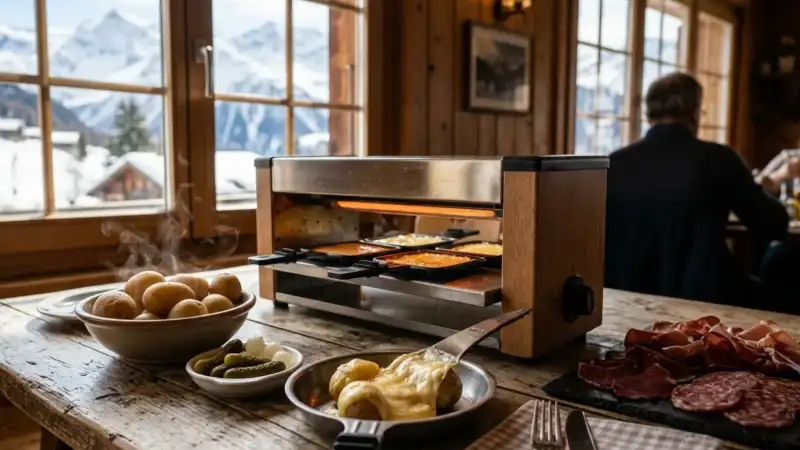
You can find everything from sophisticated local dishes to international favorites like pasta and burgers. They often have large, sunny terraces and are well-equipped to handle larger groups.
- Pros: Wide menu selection, comfortable seating, excellent views, and full table service.
- Cons: Can be more expensive, often crowded during peak hours (12:30-2:00 PM), and service can be slower when busy.
- Best for: A more leisurely, comfortable lunch; special occasions; groups with diverse tastes; or days when you want a more refined dining experience.
The self-service cafeteria
This is the most common and efficient option, found in the main hubs like Bendolla and Sorebois. The model is based on speed and volume. You move through a line, select pre-prepared or quickly cooked items, and pay at a cashier. The food is typically functional—pastas, sausages with fries (frites), and goulash soup are staples.
- Pros: Fast, generally the most affordable option, no waiting for a bill.
- Cons: Can be loud and chaotic, food quality can be variable, often difficult to find a table during peak times.
- Best for: Skiers on a budget or those who want to minimize their break time to maximize their time on the slopes. It’s a functional choice, but rarely a memorable one.
| Dining style | Atmosphere | Typical menu | Best for performance |
|---|---|---|---|
| Traditional Buvette | Cozy, authentic, quiet | Croute au fromage, soups, local platters | Good for mental recovery, but choose lighter options to avoid a slump. |
| Full-Service Restaurant | Refined, comfortable, social | Extensive (local specialties, international dishes) | Excellent, as you can carefully select a balanced meal (e.g., grilled fish, salads) in a relaxing setting. |
| Self-Service Cafeteria | Fast, loud, functional | Pasta, frites, soups, sandwiches | Possible, but requires discipline to avoid heavy, greasy options. The chaotic environment is not ideal for mental rest. |
As you can see, the choice is not just about food but about the entire experience. For a skier engaged in a focused learning process, the calm and comfort of a full-service restaurant or a quiet buvette often provides the best environment for a tactical debrief and mental reset, making it the superior choice for a high-performance day.
Ultimately, the perfect ski day in Grimentz-Zinal is a curated experience. It’s about weaving together the incredible terrain, your personal goals, and the unique cultural offerings of the Val d’Anniviers.
Choosing where you have lunch is a key thread in that tapestry. By thinking about your midday meal strategically—considering timing, nutrition, and atmosphere—you transform it from a simple necessity into a powerful tool for improving your skiing and enhancing your enjoyment of this spectacular mountain playground.
Our entire coaching philosophy is built on this principle of intentional, intelligent skiing, where every decision, on and off the snow, contributes to your progress. It’s how a great day becomes an unforgettable one.
If you’re ready to apply this level of detail and expert guidance to every aspect of your skiing, we invite you to connect with our team. We can design a personalized coaching experience that addresses your specific goals, from finding the best on-piste lunch Grimentz offers to mastering the most challenging terrain in the valley.
Request any of our ski services, whether it be a private or group lesson, and let us help you elevate your entire mountain experience.