


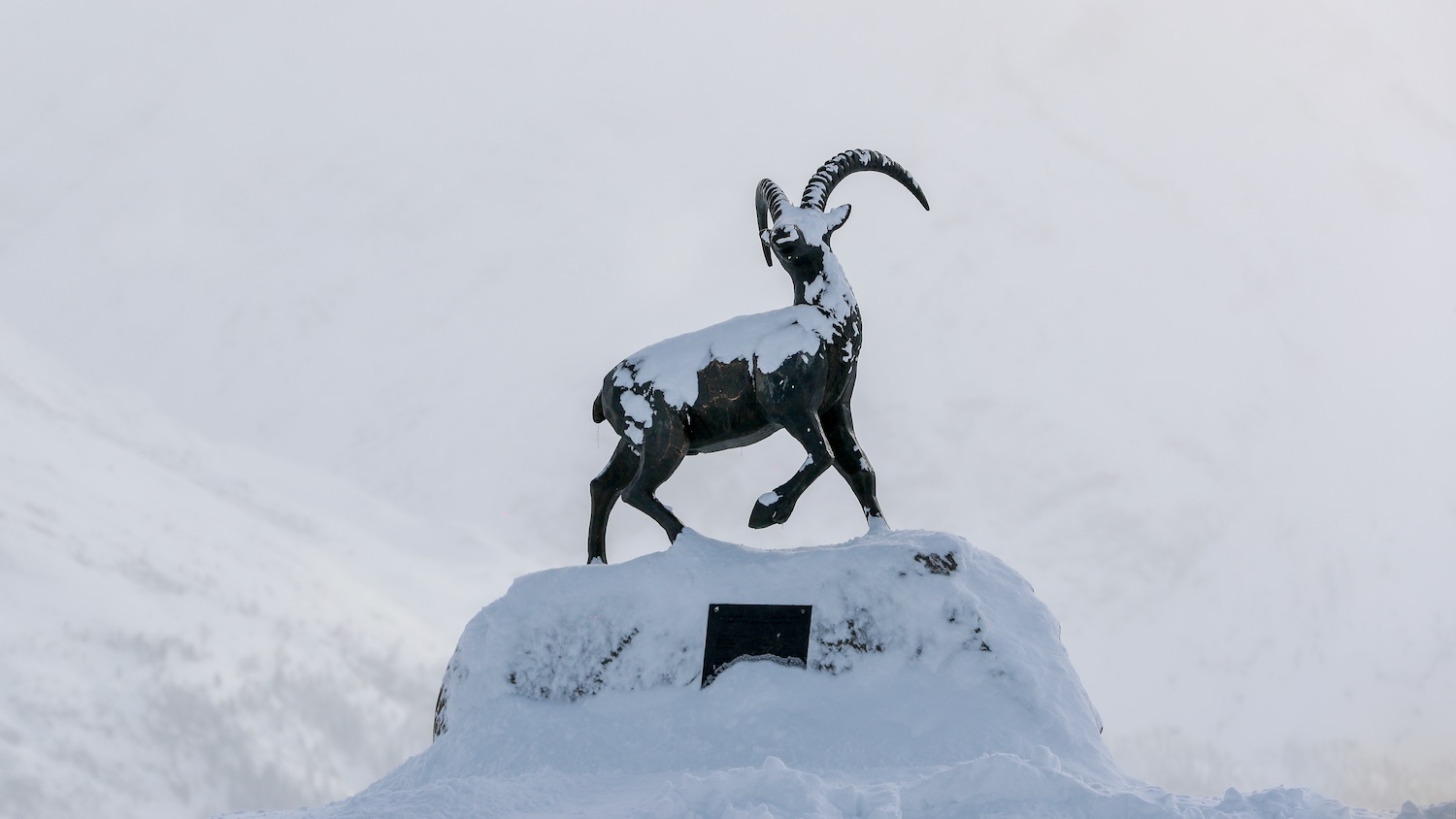
The Swiss Alps offer a unique backdrop for those who have spent decades on the slopes and those looking to start a new chapter in their lives. Grimentz-Zinal, located in the heart of the Val d’Anniviers, stands out as a destination where the quality of the snow and the layout of the terrain cater perfectly to a mature audience.
Many people find that their needs on the mountain change as they get older, shifting from a desire for pure speed to a focus on precision, comfort, and the overall experience.
This region provides the perfect setting to refine your skills while enjoying some of the most breathtaking views in Switzerland. The village of Grimentz, with its sun-blackened wooden chalets, and Zinal, tucked away at the end of the valley under the watchful eye of the Imperial Crown peaks, offer a serene environment that contrasts with the more crowded and hectic resorts found elsewhere.
When you reach a certain age, your approach to the mountain often becomes more thoughtful. You start to value the texture of the snow, the sun’s position on the slopes, and the efficiency of your movements.
Grimentz-Zinal is particularly well-suited for this kind of mindful skiing. The resort features a high-altitude ski area that ensures excellent snow conditions throughout the season, which is a significant factor for anyone looking to reduce the physical strain on their joints.
Soft, well-groomed snow allows for much smoother turns and less impact on the body. As we will see throughout this guide, the key to longevity on the slopes is a combination of choosing the right environment and adapting your technique to work with your body rather than against it.
The transition into senior skiing is not about slowing down; it is about skiing smarter. It involves understanding how modern equipment can assist your balance and how a more refined technical approach can save energy.
In the Val d’Anniviers, the variety of runs means you can find everything from gentle, wide-open cruisers to more technical terrain that rewards finesse over brute strength.
Whether you are returning to the sport after a break or you are a lifelong skier looking to stay at the top of your game, the combination of high-altitude scenery and expert-led instruction makes this corner of Switzerland an ideal choice for your next winter adventure.
Content
Choosing the right terrain in the Val d’Anniviers
Grimentz-Zinal is a vast area that offers two distinct personalities. Grimentz is known for its wide, sunny slopes that are perfect for carving long, rhythmic turns. The Bendolla area is particularly popular because it provides easy access to a variety of blue and red runs that stay in the sun for most of the day.
For a senior skier, this means better visibility and warmer temperatures, both of which contribute to a more relaxed and enjoyable day. On the other side, Zinal offers a more rugged and high-alpine feel. The Sorebois area is reached by a large cable car and provides access to slopes that are often quieter and offer a more contemplative skiing experience.
Connecting these two areas is a cable car that allows you to move between them without having to descend into the valley, making it easy to follow the sun and the best snow conditions as the day progresses.
Selecting the right runs is a big part of enjoying skiing for seniors in Grimentz Zinal. You want slopes that are consistent in their pitch and wide enough to allow for plenty of space. The Corne de Sorebois in Zinal, for instance, offers stunning views of the 4,000-meter peaks and has several runs that are challenging enough to be interesting but groomed to perfection to ensure safety.
By focusing on these types of runs, you can maintain a consistent rhythm, which is much better for your muscles than the stop-and-start nature of more crowded or icy slopes. Staying at a higher altitude also means the snow remains colder and more predictable, reducing the risk of catching an edge on slushy or heavy patches that are more common at lower elevations later in the afternoon.
The benefits of high altitude and snow quality
One of the biggest advantages of this region is its height. Most of the skiing takes place between 2,100 and 2,900 meters. This altitude is a game-changer for anyone concerned about snow consistency. When the snow is light and cold, your skis respond more predictably to your inputs.
You don’t have to fight the terrain as much, which means your legs stay fresher for longer. For older skiers, this predictability is a major safety factor. It allows you to trust your equipment and your movements, leading to a more confident and fluid style.
The views from these heights are also a significant part of the draw. Seeing the Matterhorn, the Dent Blanche, and the Weisshorn while you move down the mountain adds a layer of inspiration that makes every turn feel special.
As you might have noticed in other resorts, lower-altitude slopes can often become “heavy” or “sticky” by midday. This type of snow requires much more physical effort to turn through and can put unnecessary stress on the knees. In Grimentz-Zinal, the north-facing slopes in Zinal and the high plateaus in Grimentz tend to hold their “winter” snow much longer.
This means you can enjoy top-tier conditions from the first lift until the last run of the day. Taking advantage of this natural benefit is one of the smartest moves you can make when planning your trip. It ensures that your time on the mountain is spent enjoying the flow of the terrain rather than battling difficult conditions.
Avoiding the crowds for a safer experience
Safety and comfort often go hand in hand with finding quiet spaces on the mountain. Grimentz-Zinal is famous for being a “hidden gem” compared to the larger, more commercial resorts in the 4 Vallées or the Espace Killy.
This lack of crowds is a massive benefit for seniors. Having space around you means you can choose your own line and pace without worrying about faster skiers buzzing past you. It creates a much more relaxed atmosphere where you can focus on your own technique and enjoy the surroundings. The lift systems are also modern and efficient, meaning you spend less time standing in line and more time moving through the fresh mountain air.
To make the most of this, it helps to know the local rhythm. Usually, the slopes are quietest during the mid-week periods outside the school holidays. Starting your day early when the corduroy is fresh and the light is crisp is a wonderful way to experience the mountain.
Many experienced skiers in their 60s and 70s prefer to ski intensely for a few hours in the morning and then enjoy a long, leisurely lunch at one of the high-quality mountain restaurants like the Espace Barboteuse or the Sorebois restaurant.
This balance of physical activity and relaxation is what makes a ski holiday in the Val d’Anniviers so rewarding. It’s about the quality of the experience, not just the number of vertical meters you clock up.
Refining your technique for longevity
As the years go by, the way we use our bodies on skis needs to evolve. The aggressive, high-energy style of youth often gives way to a more efficient and balanced approach. This is where low-impact skiing becomes a valuable concept.
Instead of using raw muscle power to force the skis into a turn, the focus shifts to using the design of the ski and the force of gravity. By understanding how to move your center of mass and how to manage pressure throughout the turn, you can achieve the same results with a fraction of the effort. This technical refinement is not just about saving energy; it also protects your joints and reduces the risk of fatigue-related injuries.
Modern ski technology has also played a huge role in making skiing more accessible as we age. Skis are now lighter, more stable, and easier to turn than ever before. However, the equipment is only as good as the person using it.
Learning how to stand centrally over your skis and how to use subtle movements of the ankles and knees can transform your experience. Many people find that a few hours of personalized coaching can help them unlearn old habits that might be causing them pain or holding them back.
Focusing on a smooth, continuous flow allows you to handle varied terrain with confidence, whether you are on a perfectly groomed piste or tackling a bit of fresh powder on the side of the run.
Understanding biomechanics and efficiency
Efficiency on skis starts with your stance. A common issue as we get older is a tendency to sit back, which puts an enormous amount of pressure on the quadriceps and makes the skis harder to control. By working on a more athletic, forward-leaning position, you allow the skeleton to take more of the load.
This simple shift in biomechanics can make a world of difference. It allows the front of the ski to engage with the snow more effectively, making the start of every turn feel much easier. We will look at this in more detail later when we discuss specific exercises, but the general idea is to let the equipment do the work for you.
Another key aspect of efficient skiing is managing the “pressure” during a turn. Instead of a sudden, jerky movement, you want to build pressure gradually. This creates a smoother arc and keeps the skis in constant contact with the snow.
Think of it like steering a luxury car rather than a go-kart. You want your movements to be fluid and deliberate. This approach not only looks more elegant but is also much kinder to your hips and back.
In the Val d’Anniviers, the long, rolling runs provide the perfect “laboratory” to practice these subtle adjustments. You have the space and the time to feel how each small change in your body position affects the way your skis interact with the mountain.
Using specialized methods for better control
For those who may have specific physical considerations, such as knee replacements or back issues, adaptive skiing techniques can be incredibly helpful. These are not just for people with major disabilities; they are also for anyone who needs to modify their style to accommodate their body’s current reality.
For example, using a wider stance can provide more stability, or focusing on “steering” rather than “carving” can reduce the lateral torque on the knees. A professional instructor can help you identify which modifications will work best for you, ensuring that you can continue to enjoy the sport you love without unnecessary discomfort.
It is also worth considering how your equipment is set up. Many seniors find that a slightly softer boot or a ski with a bit more “rocker” (a slight upward curve at the tip and tail) makes the sport much more forgiving.
These small changes, combined with a more refined technical approach, can take the “work” out of skiing. The goal is to reach the bottom of the run feeling energized rather than exhausted.
By focusing on these specialized methods, you can maintain a high level of performance and continue to explore the more challenging parts of the resort with your family or friends. It’s all about staying in control and feeling confident in every situation the mountain throws at you.
| Aspect of skiing | Traditional approach | Senior-optimized approach |
|---|---|---|
| Stance | Narrow and rigid | Slightly wider for better balance |
| Turn initiation | Powerful leg drive | Subtle weight shift and ankle flex |
| Terrain choice | Anything and everything | Focus on high-quality grooming and sun |
| Equipment | Stiff and aggressive | Lighter, more forgiving, and responsive |
| Energy management | Full days without breaks | High-intensity mornings with rest periods |
Specialized programs and social connections
One of the best ways to improve and stay motivated is to join a community of like-minded individuals. In many resorts, you will find a silver skiers club or similar groups that bring together people of a certain age who share a passion for the mountains.
These groups are fantastic because they combine technical improvement with a strong social element. Skiing with others who have similar goals and physical considerations creates a supportive environment where you can push your limits safely.
It’s also a great way to discover the best spots in the resort that you might not find on your own, from the hidden sunny terraces to the runs that hold the best snow late in the day.
In Grimentz-Zinal, the focus is often on personalized experiences. Rather than large, anonymous groups, the emphasis is on small, high-quality interactions. This is where senior ski clinics come into play.
These programs are specifically designed to address the needs of older skiers, focusing on biomechanics, equipment choice, and confidence building. Because the instructors in these clinics understand the specific challenges that come with age, they can provide much more relevant and effective feedback. They don’t just tell you what to do; they explain why it works and how it will help you ski for many more years to come. This educational aspect adds a lot of value to the holiday, turning a simple trip into a genuine learning experience.
The community aspect of mountain life
Skiing has always been a social sport, and that doesn’t change as you get older. In fact, the social side often becomes even more important. Sharing a coffee at the Bendolla restaurant or a glass of local Fendant wine in the village after a day on the slopes is a big part of the appeal.
The Val d’Anniviers has a very authentic, welcoming atmosphere that makes it easy to meet people. Unlike some of the flashier resorts, the people here are genuinely passionate about the mountains and the local culture. This sense of community is very grounding and adds a lot of depth to your stay. You aren’t just a tourist; you are part of a shared tradition of mountain appreciation.
Participating in organized activities or lessons is a natural way to foster these connections. When you spend a few days skiing with the same group or instructor, you build a rapport that goes beyond just technical tips.
You share stories, laugh about the day’s events, and encourage each other. For many, these friendships are the highlight of the trip. The mountain becomes a place not just for physical exercise, but for social renewal. Whether you are traveling solo or with a partner, engaging with the local skiing community can make your time in Grimentz-Zinal much more fulfilling and memorable.
Personalized coaching versus group settings
While group clinics are great for social interaction, there is no substitute for the progress you can make with over 60s ski lessons that are tailored specifically to you. In a private setting, the instructor can focus entirely on your movements, your goals, and your pace.
If you want to spend the morning working on your edge control on blue runs and the afternoon exploring some of the more technical red runs in Zinal, you can. This flexibility is a huge advantage. It allows you to build a program that fits your energy levels and interests perfectly. You don’t have to worry about keeping up with anyone else or being held back by a group that wants to do something different.
Personalized coaching also allows for a much deeper look at the technical side of things. Your instructor can use video analysis to show you exactly what you are doing and where you can improve.
Seeing yourself on screen is often a “lightbulb moment” for many skiers, as it bridges the gap between what you think you are doing and what is actually happening.
This kind of high-end consultancy transforms the conventional ski lesson into something much more impactful. It’s about giving you the tools to be your own coach so you can continue to refine your skills every time you head out on the snow. As you might have noticed, the most successful senior skiers are those who remain curious and open to learning new ways of moving.
- Focus on precision over power to save energy.
- Use the sun to your advantage by following the light across the valleys.
- Prioritize well-groomed slopes to reduce impact on your joints.
- Invest in equipment that matches your current physical needs.
- Balance active skiing with proper rest and mountain gastronomy.
- Stay curious and open to technical adjustments.
Preparing your body for the mountain
Physical preparation is another pillar of a successful ski experience for seniors. You don’t need to be a professional athlete, but having a basic level of fitness and flexibility makes everything easier and safer.
Focusing on core strength, balance, and leg flexibility in the weeks leading up to your trip can pay huge dividends. Simple exercises like yoga, swimming, or even regular walking can help prepare your muscles for the unique demands of skiing. The more prepared your body is, the more you will be able to enjoy the long runs in Grimentz-Zinal without feeling the burn too early in the day.
It is also important to think about your “mountain routine.” This includes things like a proper warm-up in the morning and a cool-down at the end of the day. Stretching your calves, hamstrings, and lower back before you click into your bindings can prevent strains and help you feel more fluid from the first turn.
Likewise, taking the time to hydrate and eat well throughout the day is vital. The altitude and the cold can take a lot out of you without you realizing it. By treating your body with respect and giving it what it needs, you ensure that you have the energy to make the most of every moment on the slopes. This holistic approach is what separates a good ski holiday from a great one.
Nutrition and hydration at altitude
When you are skiing at nearly 3,000 meters, your body works harder just to stay warm and function. This means you need to be proactive about your nutrition. A good breakfast with slow-release carbohydrates is a must.
During the day, small, frequent snacks can help maintain your energy levels better than one giant meal that leaves you feeling sluggish. And of course, hydration is paramount. Even if you don’t feel thirsty, the dry mountain air and physical exertion mean you are losing fluids. Drinking plenty of water throughout the day will help prevent fatigue and altitude-related headaches, allowing you to stay sharp and focused on your skiing.
The local cuisine in the Val d’Anniviers is not only delicious but also well-suited for active days. Local cheeses, dried meats, and hearty soups provide the protein and fats needed for energy and recovery.
However, the key is moderation. Enjoying a beautiful lunch in a mountain hut is one of life’s great pleasures, but it’s often best to save the heavier meals and the wine for the evening when your skiing is done for the day.
This way, you can fully relax and enjoy the local flavors without worrying about your performance on the slopes in the afternoon. It’s all about finding that perfect balance that works for you.
The importance of rest and recovery
One of the most overlooked aspects of skiing as we get older is the importance of rest. It is tempting to try and ski every minute the lifts are open, but this often leads to diminishing returns. Your muscles need time to recover, especially if you are skiing for several days in a row.
Taking a day off in the middle of your trip to explore the historic village of Grimentz or to visit the nearby thermal baths in Saillon or Leukerbad can be a great idea. These “active recovery” days allow your body to repair itself, meaning you return to the slopes feeling refreshed and stronger for the second half of your holiday.
Even during your ski days, don’t be afraid to take breaks. Stopping to admire the view, take a few photos, or just sit in the sun for fifteen minutes can make a big difference in your overall fatigue levels.
Remember, the goal is to enjoy the experience, not to win a race. By listening to your body and giving it the rest it needs, you can maintain a higher quality of skiing throughout your entire stay.
This mindful approach to your physical well-being ensures that you leave the mountains feeling rejuvenated rather than worn out. As we saw earlier, skiing smarter is the secret to skiing longer.
Equipment considerations for the mature skier
Your gear can either be your best friend or your worst enemy on the mountain. For seniors, the priority should be on comfort, warmth, and ease of use. This starts with your boots. If your boots are too stiff or too tight, they will restrict blood flow and make your feet cold and painful.
Modern boots come with a variety of “flex” ratings, and many seniors find that a slightly softer, more “walkable” boot is much more comfortable for a full day on the mountain. Custom footbeds are also a great investment, as they provide better support and help with alignment, which can reduce strain on your knees and hips.
When it comes to skis, the trend has moved toward wider, more stable platforms that are easier to turn at lower speeds. These skis are much more forgiving if you make a mistake or if the snow conditions are less than perfect.
They provide a “dampened” feel, which means they absorb more of the vibrations from the snow, leading to a smoother ride and less fatigue in your legs. It’s also worth making sure your bindings are set correctly for your age, weight, and ability.
As we get older, our bones can become more brittle, so having a binding that releases reliably in a fall is a vital safety consideration. A quick check-up at a local ski shop in Grimentz or Zinal can give you peace of mind and ensure your equipment is performing as it should.
The role of modern clothing and accessories
Staying warm and dry is about more than just comfort; it’s about safety. When you get cold, your muscles tighten up, and your reaction times slow down. Investing in high-quality “layering” systems allows you to adjust your temperature throughout the day as the weather changes.
A good base layer that wicks moisture away from the skin, a warm mid-layer, and a windproof, waterproof outer shell are the standard. For seniors, heated socks or gloves can be a total game-changer, especially on those crisp, cold mornings in Zinal when the sun hasn’t quite reached the valley floor yet.
Don’t forget about your eyes and head. A well-fitting helmet is a non-negotiable piece of equipment for skiers of all ages. Modern helmets are incredibly light and comfortable, and they provide essential protection.
Good quality goggles with lenses that enhance contrast are also important, as they help you “read” the terrain better in flat light. Being able to see the bumps and changes in the snow clearly allows you to react sooner and stay more balanced.
These small details in your equipment and accessories all add up to a safer and more enjoyable experience on the mountain. When you feel good in your gear, you can focus all your attention on the joy of movement and the beauty of the landscape.
Renting versus owning your gear
Many people wonder whether it’s better to bring their own skis or rent them at the resort. For seniors, renting can often be the better option. It allows you to try out the latest models and choose a ski that is perfectly suited to the current snow conditions. If it hasn’t snowed in a while and the pistes are firm, you can choose a narrower carving ski.
If there’s a fresh dump of powder, you can swap them for something wider. Most rental shops in Grimentz-Zinal carry top-of-the-line equipment and can provide expert advice on what will work best for you. Plus, you don’t have to deal with the hassle of carrying heavy ski bags through airports and train stations.
On the other hand, if you have a pair of boots that you absolutely love and that fit you perfectly, it’s usually worth bringing them. Boots are the most personal piece of equipment, and having that familiar comfort can make a big difference. You can always rent the skis and poles once you arrive.
This “hybrid” approach gives you the best of both worlds: the comfort of your own boots and the flexibility of modern rental skis. Whichever path you choose, the key is to ensure that your equipment is helping you rather than hindering you. As we’ve discussed, the right gear is a fundamental part of the skiing for seniors Grimentz Zinal experience.
Taking the step to refine your skiing at this stage of life is one of the best investments you can make in your long-term health and happiness. The mountains have a way of putting everything into perspective, and there is something uniquely revitalizing about the crisp air and the rhythmic flow of a perfect turn.
Grimentz-Zinal offers more than just a place to ski; it offers a place to reconnect with your love for the outdoors in a setting that is both challenging and deeply rewarding. By focusing on quality, technique, and the overall experience, you can continue to enjoy the slopes for many years to come.
We are here to help you make the most of every moment on the mountain. Our approach is built on a profound understanding of the terrain and a commitment to providing the highest level of personalized service.
Whether you are looking to overcome a specific technical hurdle, find the best hidden spots in the valley, or simply regain your confidence after some time away, we can help you reach your goals.
The beauty of the Val d’Anniviers is waiting for you, and there is no better time than now to experience it at its very best. We look forward to seeing you on the snow and helping you transform your skiing experience into something truly extraordinary.
If you are ready to elevate your time in the Swiss Alps and want a bespoke experience that matches your ambitions, we invite you to reach out. Our team is dedicated to providing the kind of high-performance coaching and local insight that makes a real difference.
Whether you prefer the focused attention of a private session or the camaraderie of a small group, we have the expertise to guide you. Don’t let another season pass by without experiencing the magic of Grimentz-Zinal to its fullest potential.
Request any of our ski services, whether it be a private or group lesson.